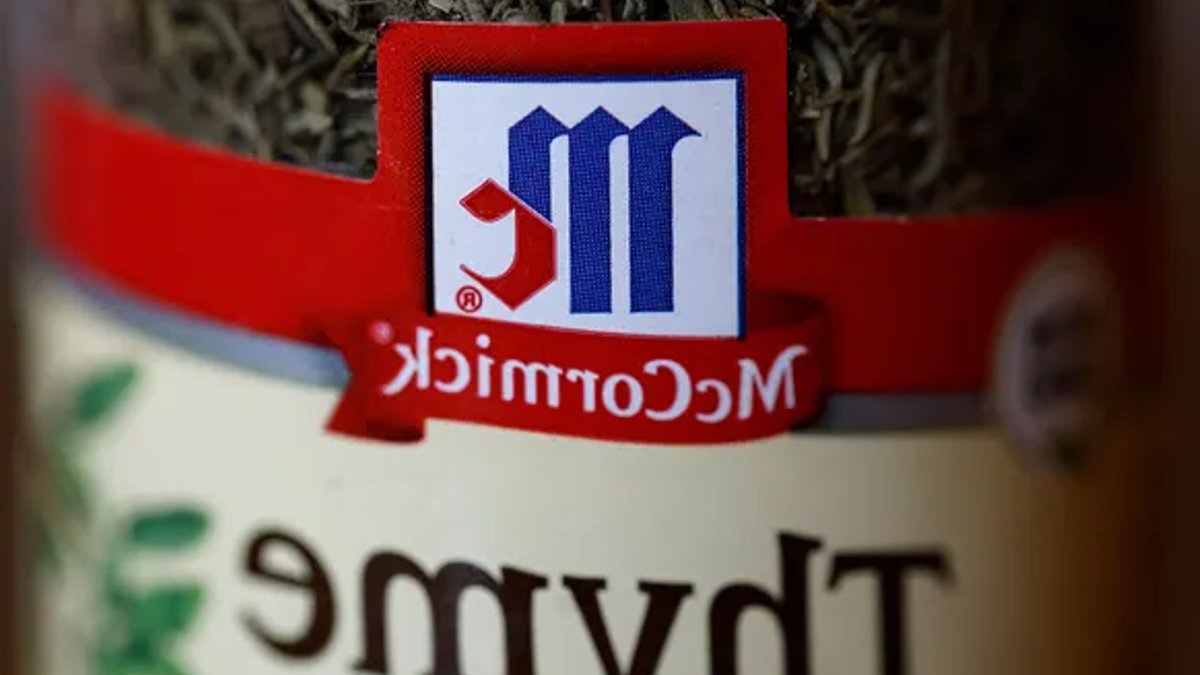
McCormick is reorganizing its business into four divisions and pursuing a secondary London stock listing as part of its plan to merge with Unilever’s food business, the spice maker announced Thursday.
New structure splits brands by region and function
The company will divide its operations into Americas Consumer, International Consumer, Global Food Service, and Global Flavor once the $44.8 billion deal finalizes, expected by mid-2027. The change is meant to improve focus on local markets while keeping global reach.
Americas Consumer will include North, Central, and South America, with 2025 sales projected at $8 billion. International Consumer, covering the rest of the world, is expected to bring in $7 billion in revenue the same year. Both units will manage McCormick’s core spices, condiments, and sauces.
Global Food Service, which serves restaurants and institutional buyers, and Global Flavor, providing custom formulations to other food companies, will add $4 billion and $2.5 billion in annual sales, respectively. Demand for the flavor segment has increased as manufacturers adjust recipes to remove artificial ingredients or reduce expenses.
Leadership blends McCormick and Unilever talent
Andrew Foust, currently overseeing the integration, will lead the Americas Consumer division. Heiko Schipper, Unilever’s food president, will take charge of International Consumer. Nuria Hernandez, who heads Unilever’s food service unit, will run the combined Global Food Service division, while Suzanne Roy remains president of Global Flavor.
Executives will work from Hunt Valley, Maryland, and the Netherlands, where Unilever has long operated. The company also plans a secondary listing on the London Stock Exchange to improve liquidity and cash flow for shareholders.
McCormick CEO Brendan Foley said the model “places consumers and customers at the center,” promising steady execution, stronger innovation, and long-term growth. The structure is also designed to support employees.
Related: Nestlé sells half of water unit for $3.4bn
The announcement came after a second-quarter report in June showed gross profit rose $155 million from the previous year, partly due to higher sales in flavor solutions. However, McCormick’s U.S. retail business has slowed as smaller brands gain traction and consumers spend more carefully.
Some investors remain cautious about the deal’s complexity and uncertainty surrounding Unilever’s food assets. Analysts at TD Cowen described the new operating plan as progress toward addressing those concerns, noting the strategic fit and McCormick’s strengths in marketing and research.
For shoppers, the changes may go unnoticed at first—products like Hellman’s and Knorr will remain on shelves. Behind the scenes, the combined company will test whether a more localized approach can boost growth in a competitive, price-sensitive market.
The real challenge begins after the merger closes.
Divisions must execute without disrupting supply chains or frustrating customers accustomed to reliable service. The London listing, if approved, would mark another step in McCormick’s shift from a U.S.-focused spice company to a global condiments leader. It also reflects confidence in the deal’s potential, though some shareholders still have doubts.
The flavor solutions segment’s growth shows how food manufacturers adapt to changing preferences.