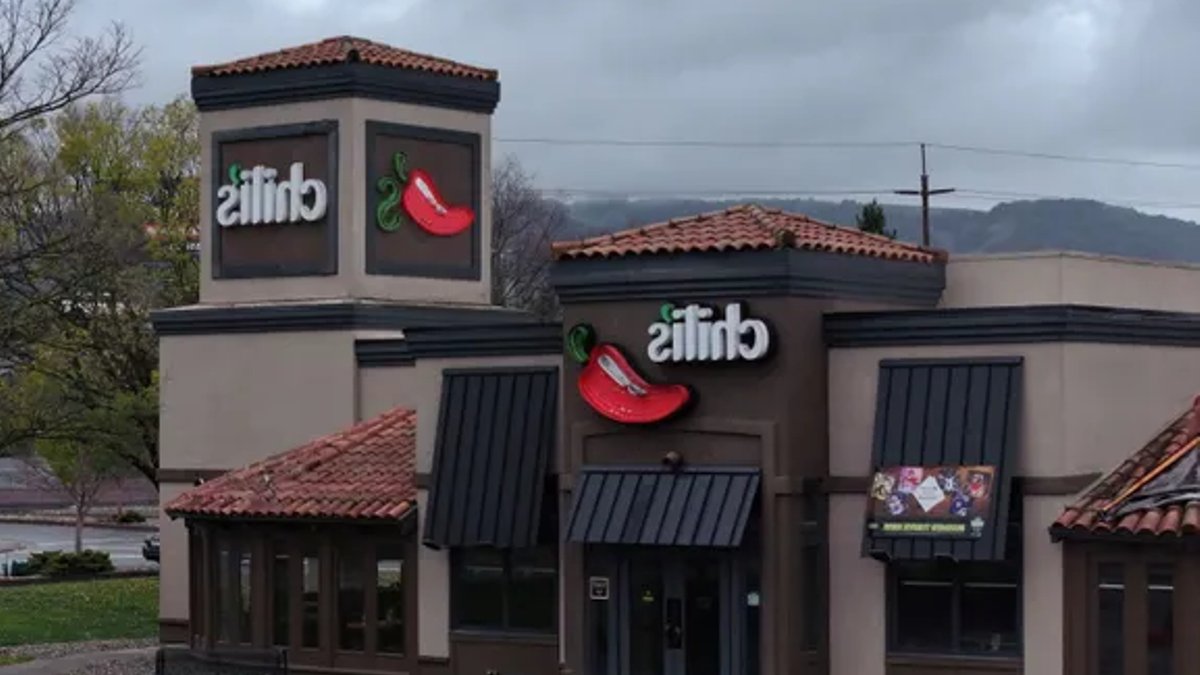
Chili’s expansion strategy is accelerating following a period of profitability gains that delivered a 71% increase in same-store sales over five years, according to Brinker International’s 2026 Investor Day presentation. Despite this progress, the chain’s total U.S. locations declined from 1,131 in fiscal 2022 to 1,110 in fiscal 2026.
Expansion goals and market opportunities
The brand achieved its first positive unit growth in several years by adding one company-operated restaurant in the most recent fiscal period. Kevin Hochman, the chief executive, outlined plans for an annual increase of 2% to 3%, targeting 20 to 30 new sites each year. Mika Ware, the chief financial officer, noted that each new location requires an investment of $5 million to $6 million, though strong sales—often exceeding $5 million per restaurant—have bolstered confidence in expanding geographically.
Three key growth areas have been identified. First, the company will target states with minimal presence, such as Washington, where Chili’s operates just one street-level location while competitors maintain 35 to 40 sites. Second, the chain plans to add restaurants on the edges of its strongest markets, Texas, California, and Florida, where eight projects are already in development despite already high concentrations of locations. Third, the Carolinas, Georgia, Virginia, and the Washington, D.C., metro area are priorities due to lower restaurant density and demographic trends resembling those of the Sun Belt.
A fourth focus is the Midwest, a region historically dominated by franchisees but where Chili’s holds growth rights nationwide. In Ohio, for example, two competitors combined have four times as many locations as the chain, creating opportunities for aggressive infill development. By balancing major suburbs with smaller towns, Chili’s aims to serve both high-traffic areas and emerging local markets, offering families in fast-growing suburbs a convenient, affordable dining option.
Operational improvements boosting sales
Guest traffic has surged, with weekly visits rising from 3,400 in fiscal 2023 to 4,200 in fiscal 2026, according to Aaron White, the chief people officer. This increase helped lift average unit revenue from $3.3 million to $5 million. To support higher volumes, the brand reduced menu items, invested $180 million in front-of-house improvements, and reinstated the busser role to ease kitchen workloads.
Technology upgrades have also played a key role. Handheld ordering tablets now send orders directly to kitchen displays, cutting server trips and reducing errors. The new system highlights pending orders at the top of the screen, allowing staff to see quantities at a glance, for instance, seven mozzarella sticks, without scrolling through multiple tickets.
Development strategies beyond new construction
The company is exploring conversion opportunities in high-cost, high-density areas, particularly in the Northeast corridor. These plans may involve repurposing existing restaurant sites or acquiring smaller regional chains with desirable lease terms.
A “small-town strategy” will also drive growth in markets where Chili’s has no presence but demographic data suggests strong demand. Research identified numerous communities with population growth rates comparable to larger suburban areas, yet with limited casual-dining competition. These towns often offer lower land costs and favorable lease agreements, improving the financial case for new openings. Growth rights now extend across all 50 states, allowing the company to pursue development wherever market analysis indicates potential.
In the Midwest, historically franchisee-dominated, the company has increased company-owned locations through strategic buybacks. These acquisitions enable direct control over operational standards and faster implementation of standardized improvements. Competitive benchmarks show that rivals like First Watch have added dozens of units, while Denny’s and Red Lobster have significantly reduced their footprints. This trend creates opportunities for Chili’s to gain market share by filling gaps left by closing competitors.
Refined operations supporting expansion
Store managers and staff now participate in structured feedback sessions to identify recurring operational challenges. Insights from these discussions inform targeted training programs and procedural adjustments aimed at reducing service delays. Early 2000s data showed average weekly patron counts near 5,200, a benchmark the brand seeks to approach through efficiency improvements.