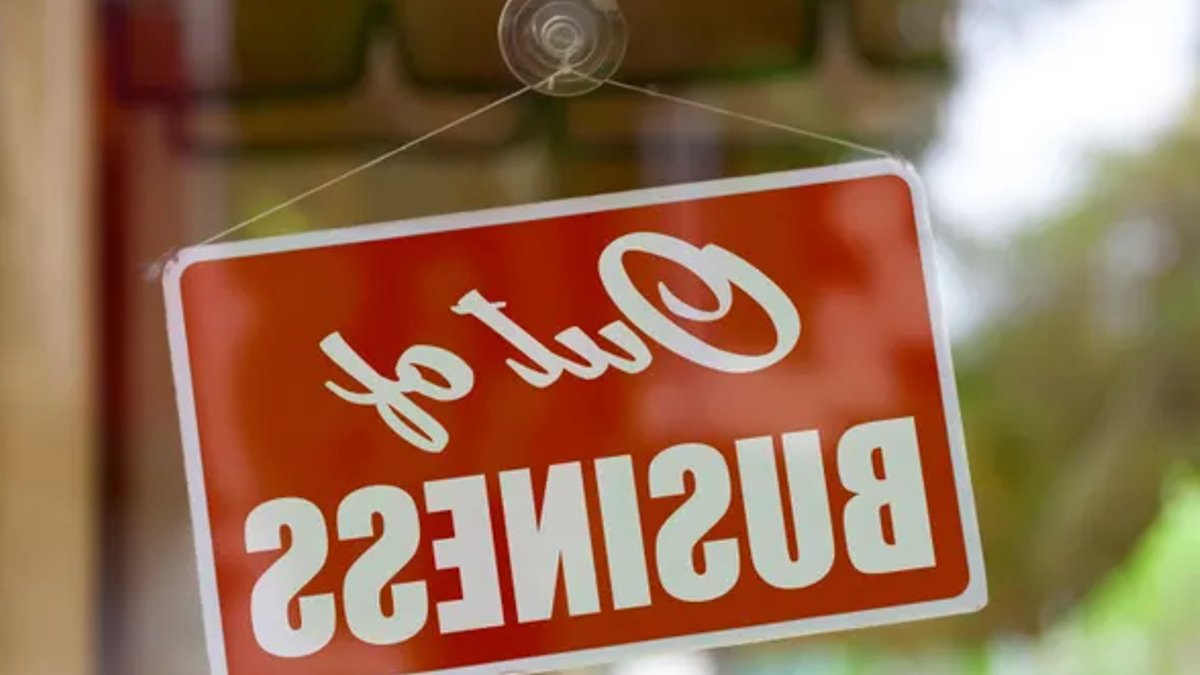
Bankruptcy filings among multi-unit restaurant franchisees have surged in 2026 due to challenging economics, including high labor and food costs, and slumping traffic as consumers close their wallets due to inflationary pressures. At least 10 significant multi-unit restaurant franchisee filings have occurred, representing several hundred locations across chains like Hardee’s, Subway, Popeyes, Carl’s Jr., Moe’s Southwest Grill, and Applebee’s, according to Bradford Sandler, partner at the corporate restructuring law firm Pachulski Stang Ziehl & Jones.
The surge in bankruptcy filings is part of a larger trend, with total U.S. business bankruptcy filings rising about 17% year-over-year through June 30, 2026, from about 23,000 to nearly 27,000, according to data from U.S. Courts. This increase is particularly notable in the restaurant industry, where 2024 was considered a peak year for bankruptcies, with 16 chains or large franchises filing by August, said Sandler.
Challenging Economics
The restaurant chains most affected by bankruptcies tend to be ones with lower price points and quality, which have struggled amid an ongoing movement towards “higher-end” fast casuals that offer better quality and are healthier, said Oren Bitan, co-chair of law firm Buchalter’s fiduciaries, receivers and trustees practice group. These chains face significant challenges, including high labor and food costs, which have increased 36% since 2019, while franchisee margins typically run only 3%-to-5% pre-tax, said Sandler.
Some operators have turned to unsustainable high-leverage debt and financing options in hope that operations will eventually stabilize, said Kevin Clancy, a partner at the accounting and advisory firm CohnReznick. Many portfolios were assembled with leverage during the 2019 to 2022 franchise mergers and acquisitions boom when rents and multiples were at their peak, said Sandler. Now, some franchisees are facing significant financial distress, including MTF Enterprises, a Subway franchisee that cited daily and weekly merchant cash advance draws against its sales as the primary cause of its collapse.
As the restaurant industry faces these challenges, some franchisors have taken a range of different strategies when approaching their struggling franchisees. Burger King has committed over $2 billion towards improvements through programs like its Reclaim the Flame and Royal Reset programs, offering remodel incentives and additional financial support for stronger operators. In contrast, Hardee’s has taken a more enforcement-oriented approach, suing ARC Burger for $6.5 million over unpaid royalties and fees.
Impact on Franchisees
The level of support franchisors have offered to their struggling franchisees has been mixed, ranging from assisting with modernization improvements to taking them to court, said Sandler. Franchisors can provide vital assistance, as legacy burger and fried chicken QSRs typically have aging real estate and value-dependent customers, while mid-tier casual dining restaurants have large dining rooms and high fixed occupancy costs. Both of these segments face the highest risk in the current economic environment, said Sandler. The trend has affected fast casual and casual dining formats as well, including Neighborhood Restaurant Partners Florida, the operator of 53 Applebee’s locations, which filed for Chapter 11 bankruptcy protections in March.
As the situation continues to unfold, more franchisees will likely face financial distress, leading to a potential increase in bankruptcy filings. With interest rates still high and fixed obligations, including royalties, ad-fund contributions, rent, and debt service, not softening when sales do, said Sandler, franchisees will need to find ways to reduce their operational burdens and demonstrate value to their consumers. The Subway franchisee MTF Enterprises filed for Chapter 11 bankruptcy protections in January, citing unexpected expenses, tax levies, rental obligations, and sales problems at aging restaurants in its court filings, and had between $10 million and $50 million in assets and the same range of liabilities at the time of the bankruptcy.
Strategies for Improvement
According to experts, there are several strategies that restaurant operators can take to improve their financial situation, including investing in new technology and finding ways to reduce costs. Predictive inventory and supply tools, self-service kiosks, point-of-sales apps, and loyalty programs can all help to lower costs and improve customer experience. Additionally, operators should be proactive in finding ways to reduce their real estate costs, such as having continued discussions with landlords about alternative lease structures that better support short-term and long-term financial viability.