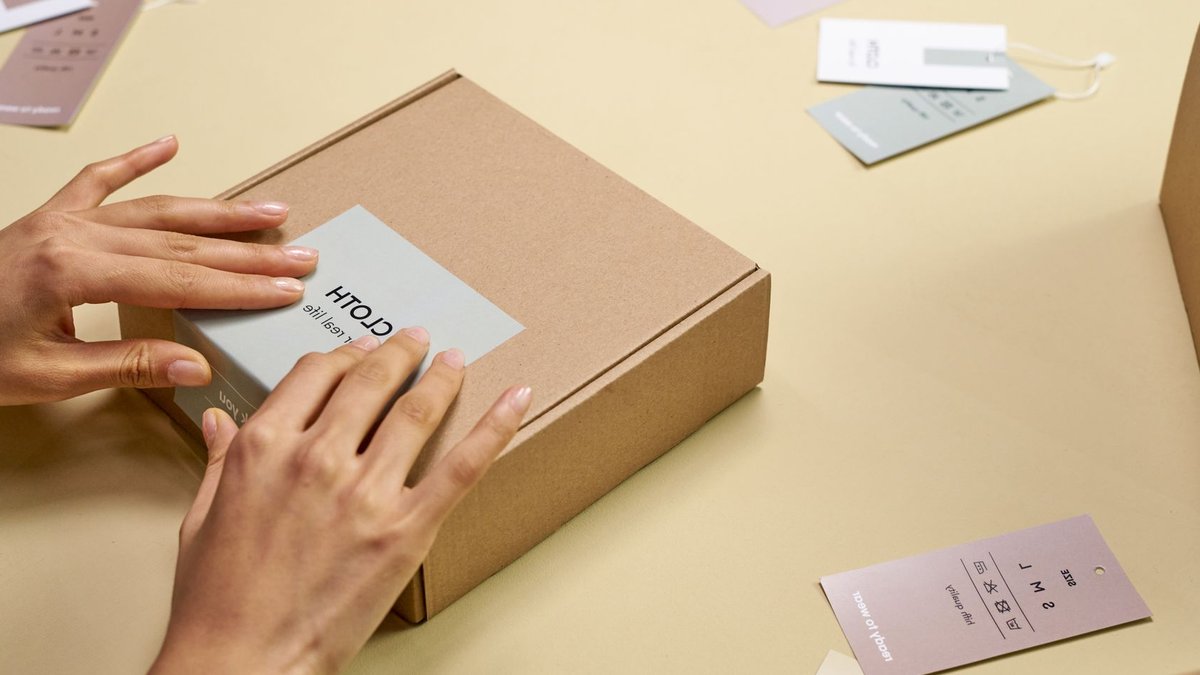
Store brands are no longer seen as cheap alternatives to national names. This shift changes how packaging partners design products for both ends of the market.
Private labels gain status on the shelf
Affluent households are now turning to private labels, as sales of national brands decline and store brand sales rise. Most Gen Z shoppers believe private label products match the quality of branded items. Lisa Peteet, co-founder and creative director of Atlas Branding, noted, ‘Being price savvy has become more of a badge of honor.’ While younger buyers adopt private labels, they still value design.
Private brand unit share in the U.S. reached an all-time high in 2025, according to the Private Label Manufacturers Association. This trend is prompting retailers to treat store brands as individual entities rather than a single department. Eran Mizrahi, founder and CEO of Source86, noted that retailers are establishing distinct identities for these lines. They want their logos big on the package, a move that flips the traditional balance between product imagery and branding.
Private labels can stand out through bold colors, legible fonts, and clear wording. Designers must also ensure the packaging renders well online for e-commerce. Retailers use store brand packaging to show they understand their customers’ priorities.
Private labels are introducing limited-edition items and trendy flavors, creating opportunities for packaging manufacturers to supply materials for short-run or specialty products. Retailers are also exploring lighter packaging, single-material designs, and increased use of recycled materials.
Read Also: Skittles Crunchy Gummies, Cup Noodles Vampire Flavor Launch
However, a sustainable redesign that drives up the price point is unlikely to happen, Peteet said. In 2024, Target expanded its up&up line and revamped the packaging with colorful designs and large fonts. The retailer also aimed to make the packaging easier to open, reduced plastic, and switched to paper where possible.
Retailers redesign to compete
Amazon introduced Amazon Grocery to replace its Amazon Fresh and Happy Belly names last year. The new line’s packaging features a modern, clean and distinctive design with bold, easy-to-read typography and clear nutrition information while using less plastic than previous packaging. The grocer saw strong interest in its private label but was also hearing customer feedback that the packaging needed to better reflect product quality and value.
Walmart redesigned its Great Value brand this year for the first time in a decade. The new packaging has a more modern aesthetic and consistent placement of nutritional information and benefits on food products. Walmart owns the six private labels with the largest household penetration, according to Numerator. For packaging companies exploring business opportunities in private label, Davies said the key is to frame it as brand building, not just filling a container.
Designers face legal and logistical challenges
Packaging partners must be cautious of mimicking national brands’ designs. The issue is less of a problem as private labels create their own identities. However, legal disputes can still arise. Last year, J.M. The sandwich had crimped edges and a bite taken out. In August, a federal judge ruled that the lawsuit can proceed.
The company alleged the discount grocer copied packaging for Oreos, Chips Ahoy! and five other brands. When Atlas works on redesigns, it uses Google reverse searches. If a packaging design begins to feel familiar, the firm adjusts accordingly. This process helps avoid potential litigation while maintaining a unique look.