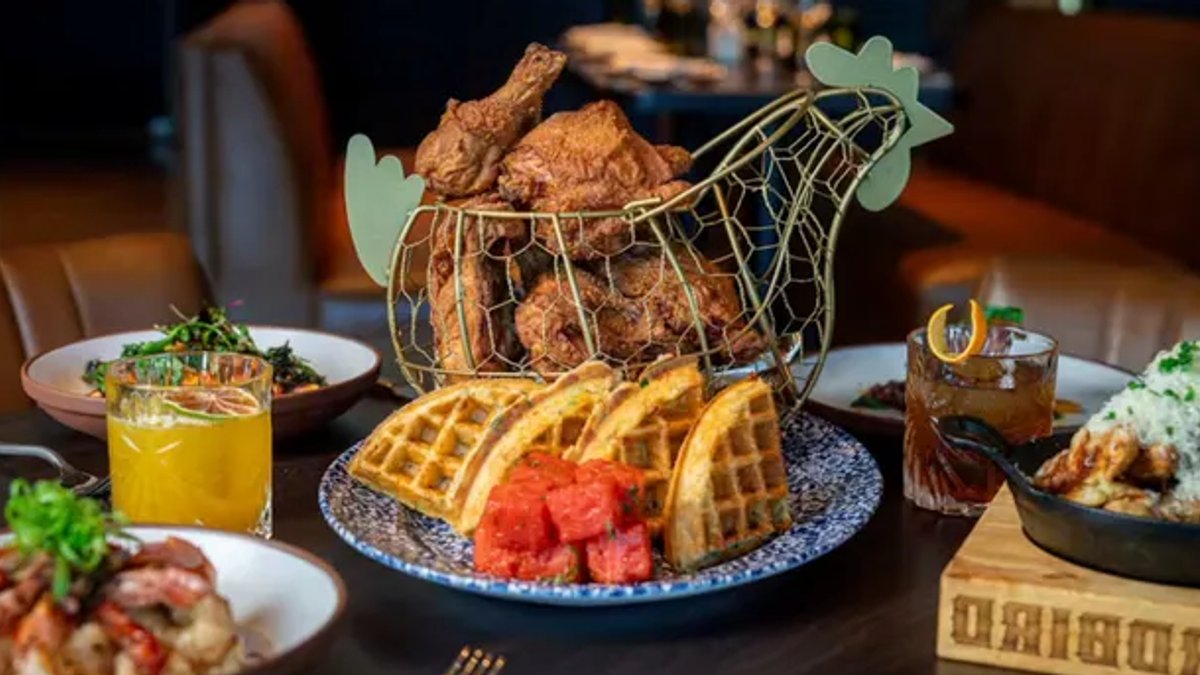
Yardbird Southern Bar and Table Files for Chapter 11 Bankruptcy Protection
A casual dining chain specializing in fried chicken, Yardbird Southern Bar and Table, has sought protection under Chapter 11 of the US Bankruptcy Code, as revealed in court documents on Monday. The company, which operates three locations directly and has two licensed outlets, took this step after shuttering three locations in Denver, Los Angeles, and Miami.
According to a declaration by Albert Altro, Chief Restructuring Officer of Yardbird Group, the decision to file for bankruptcy was preceded by the closure of these locations. Altro cited several factors contributing to the chain’s financial difficulties, including costs associated with expansion, a complex capital structure, and challenges specific to certain locations, as well as broader changes in the restaurant industry following the COVID-19 pandemic.
Founded in 2011 in Miami Beach, Yardbird expanded to Las Vegas in 2015. Following a minority investment from private equity group TriSpan in 2017, the chain pursued aggressive expansion into major US cities. This growth strategy required significant investment, leading to increased indebtedness over time, with the company ultimately accumulating approximately $25 million in debt.
TriSpan eventually acquired full control of the chain. However, the COVID-19 pandemic disrupted Yardbird’s development plans, resulting in divergent performance across locations. While some outlets remained profitable, others struggled due to shifts in local traffic, tourism, convention activity, consumer behavior, and surrounding business development.
Prior to filing for bankruptcy, Yardbird engaged in a pre-petition marketing process, culminating in an asset purchase agreement with a stalking horse bidder. That agreement “will be subject to higher and/or otherwise better offers through the continued sale process.”
A spokesperson for the brand stated, “Yardbird has filed for Chapter 11 protection to address legacy debt and strengthen its balance sheet.” “Restaurants currently operating remain open and continue to serve guests.”
The US has seen a rise in business bankruptcies in recent years, including in the restaurant sector, due to factors such as consumer price sensitivity, economic uncertainty, and increasing borrowing costs. This trend has affected various segments of the restaurant industry, with several notable bankruptcies in 2026, including a major Wendy’s operator and fast-casual chains like a 38-unit Moe’s franchisee and Salad and Go.
In the casual dining segment, On the Border filed for Chapter 7 bankruptcy in June, further illustrating the challenges faced by the industry. Yardbird’s decision to seek bankruptcy protection reflects the ongoing difficulties in the restaurant sector.