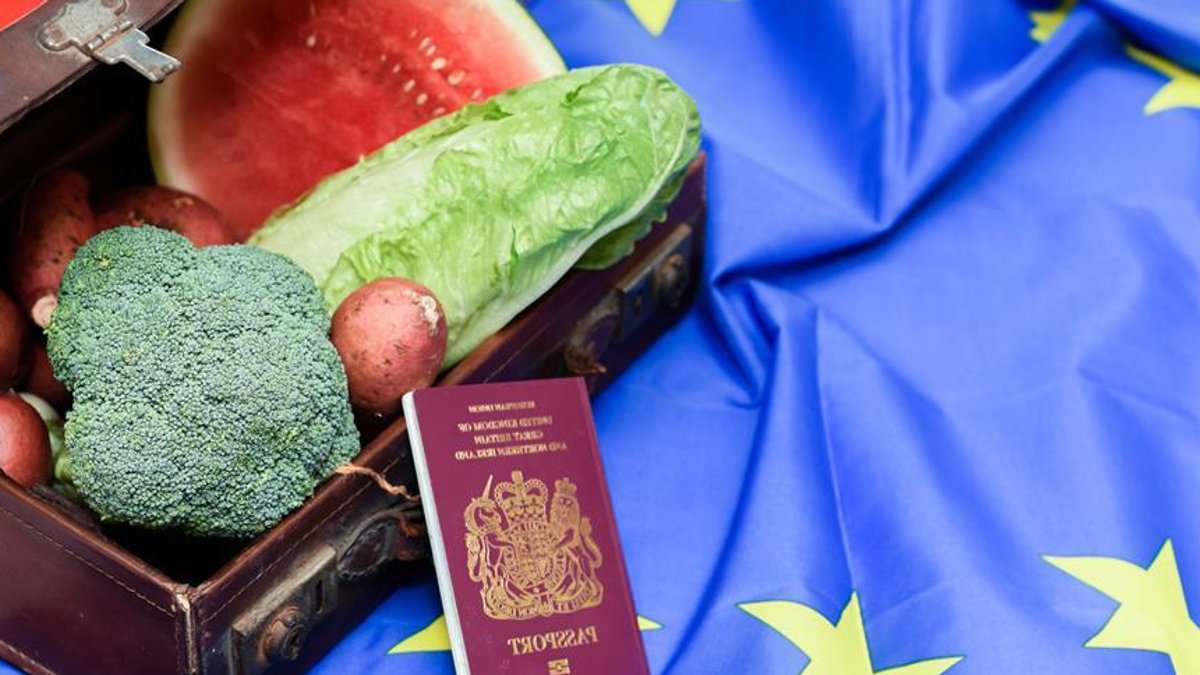
The UK and EU have finalized a fresh set of trade measures to overhaul their post-Brexit deal, which will heavily impact food producers, farming operations, and logistics networks. Key elements include establishing a unified Sanitary and Phytosanitary (SPS) framework, integrating their emissions trading schemes, and strengthening collaboration on sustainable fishing practices.
Under the new UK-EU Common Sanitary and Phytosanitary Area, British regulations on food safety, livestock health, and plant protection will now closely mirror EU standards.
Food Trade Deal
Upon activation, the deal will scrap standard border inspections for most goods, cutting red tape, wait times, and expenses for food companies.
The trade pact is set to take effect on March 1, 2028, with the UK government projecting it could boost the economy by £5.1 billion yearly by smoothing trade flows and lowering costs.
Carbon Trading and Fisheries Agreements
Alongside the food trade agreement, the UK and EU have concluded negotiations to link their respective Emissions Trading Systems (ETS). The arrangement will allow mutual recognition of UK and EU emissions allowances and provide exemptions from their respective Carbon Border Adjustment Mechanisms (CBAM), subject to the necessary legal procedures.
This carbon market linkage is scheduled for 2028, with officials estimating it could add another £3.8 billion annually to the UK’s economy. For food businesses, standardized carbon pricing may offer clearer operating conditions across European supply chains.
Owen Ensor, CEO of Meatly, a cultivated meat producer, hailed the deal as proof of the UK’s commitment to supporting innovative food technologies. He stated that the policy ‘shows the UK’s drive to become a hub for cutting-edge food production.’
Implementation and Future Relationship
This UK-EU trade overhaul marks a major shift from the post-Brexit status quo. Food companies stand to benefit from fewer regulatory hurdles and streamlined trade, but the success will hinge on how swiftly businesses adjust to the new rules.
While the deal aligns UK standards with EU requirements in key areas, it raises questions about the long-term relationship between the two regions’ food regulations. As the 2028 rollout approaches, industry players will closely monitor how these changes reshape trade and sustainability in the sector.