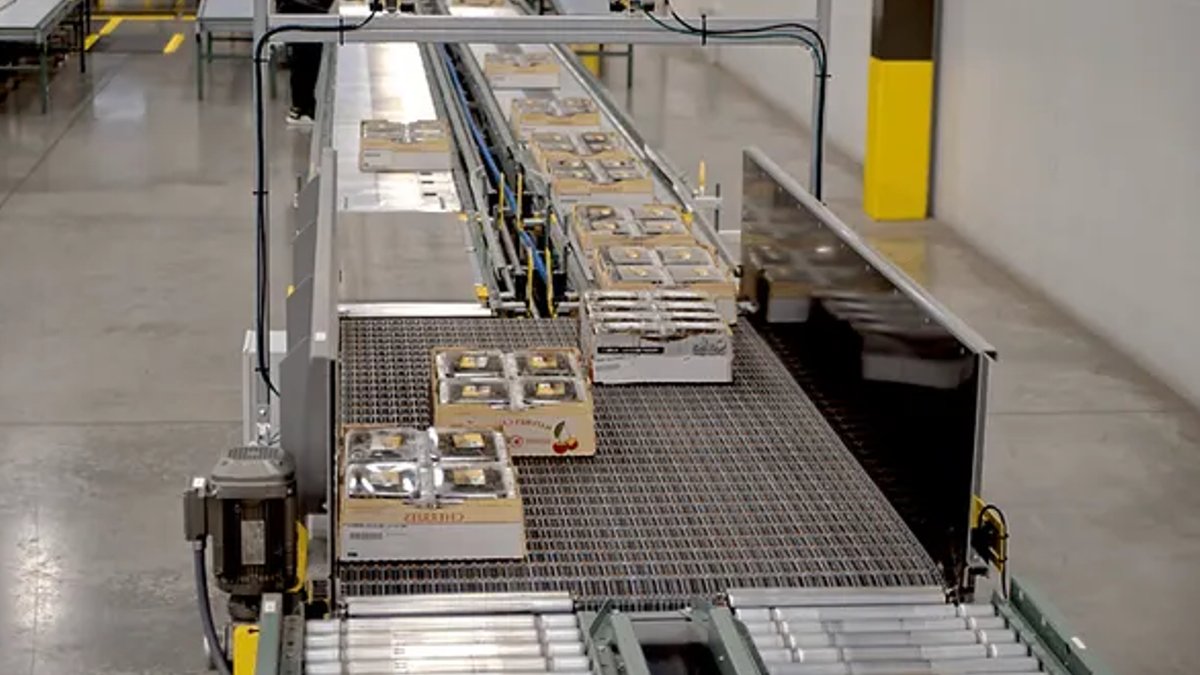
Automation is reshaping the food and beverage supply chain as manufacturers confront rising SKU counts, tighter delivery windows and mounting labor shortages.
Rising complexity drives demand for smarter warehouses
Retailers now stock a wider variety of products than ever before, and they ask for smaller, more frequent shipments. The result is a surge in mixed‑SKU orders and just‑in‑time replenishment requirements. Traditional warehouses built around bulk pallet storage and manual forklift operation struggle to keep up with these pressures, often delaying order fulfillment and compromising product quality.
Key trends include a proliferation of SKUs, faster e‑commerce fulfillment, higher transportation costs and stricter food‑safety regulations. The industry also faces a growing need for product visibility and traceability, especially after labeling errors have been linked to a large share of food recalls.
To address these challenges, many firms are turning to technologies such as Automated Guided Vehicles (AGVs) and Autonomous Mobile Robots (AMRs). These mobile robots move pallets and cases across the floor, reducing reliance on human‑operated forklifts and cutting the risk of product damage.
How automation improves storage and handling
Automated Storage and Retrieval Systems (ASRS) and robotic pallet shuttles enable higher‑density storage while making inventory more accessible. By integrating with warehouse management software, the systems can enforce first‑expired‑first‑out (FEFO) rotation, lowering waste from spoilage.
For facilities that handle chilled, frozen or deep‑freeze items, automation also lessens employee exposure to harsh environments. Robots can maintain controlled atmospheres and ensure that cold‑chain compliance is not compromised during picking or restocking.
Related: Philly gets lactose-free cream cheese as Cheez-It teams with Coors
Advanced control platforms track lot codes and movement data, supporting the traceability needed for modern food‑safety standards. When labeling processes are automated, the incidence of manual errors that trigger recalls drops significantly.
Robotic palletizing and mixed‑case fulfillment equipment help create store‑ready shipments faster and more consistently. These machines can orient labels outward on protein cases or assemble aisle‑friendly pallets that meet retailer specifications.
Each operation has its own constraints, from facility layout to product characteristics. By mapping the entire material flow—from receiving through shipping—companies can select automation that fits current needs and scales for future growth.
When a company builds a new facility or upgrades an existing one, scalable solutions allow for phased implementation. Early adoption of mobile robots can be followed by integration of fixed automation like conveyors, aligning capital outlay with business performance.
Overall, the shift toward automated material handling aims to improve service levels, reduce operating costs and create safer workplaces.
Transitioning is not without hurdles.
Related: Taco Bell Faces Diarrhea Outbreak Lawsuits
Integrating new systems with legacy software can be complex, and staff must be trained to work alongside robots safely.
In the broader context, the move toward automation reflects a larger trend in logistics where technology is used to mitigate labor gaps and meet consumer expectations for speed and accuracy. As supply chains become more digital, the ability to track every unit—from raw ingredient to store shelf—grows increasingly important.
Industry outlook and next steps
Analysts expect that automation will become a baseline capability for large food and beverage distributors within the next five years. Organizations that delay adoption risk falling behind competitors that can offer faster, more reliable deliveries.
Regulatory bodies continue to tighten requirements around cold‑chain integrity and traceability. Automation provides a way to meet these standards without adding manual steps that could introduce errors.
Investments in robotics and intelligent warehouse software are already reshaping how products move through the supply chain. As the technology matures, firms will likely see further integration with upstream processes such as manufacturing and downstream activities like last‑mile delivery.
For now, the focus remains on aligning automation projects with specific business goals—whether that is reducing labor costs, improving inventory turnover, or enhancing food safety compliance. Companies that take a measured, data‑driven approach stand to gain the most from the evolving environment.