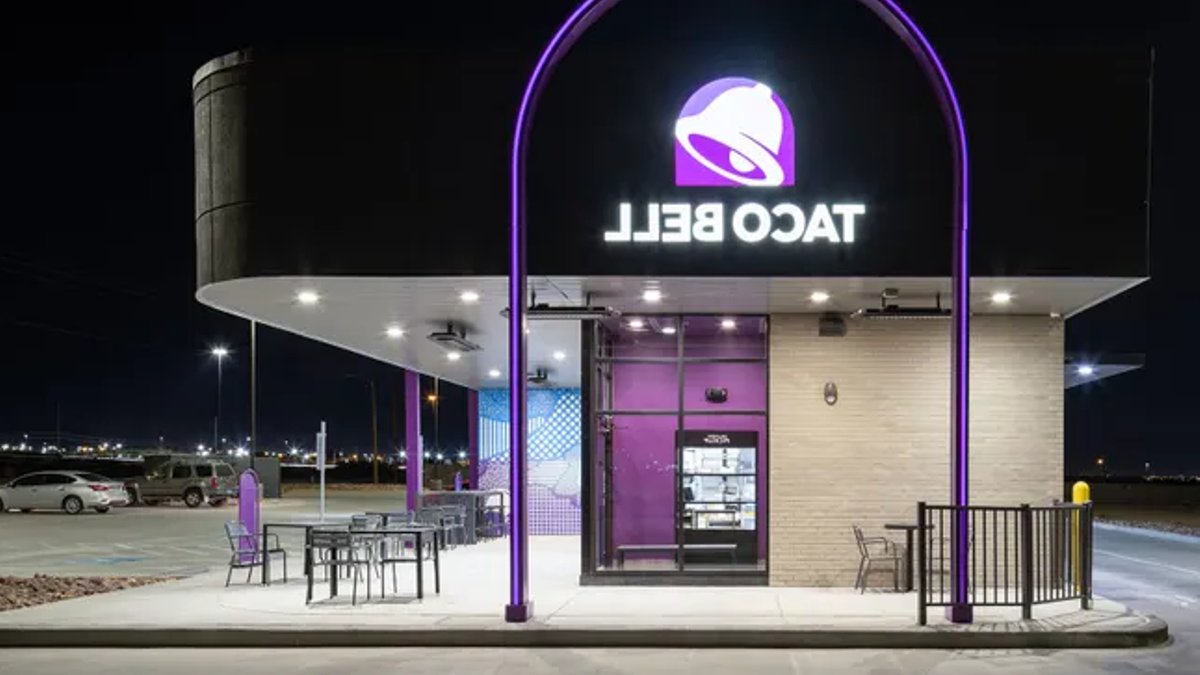
Taco Bell is facing a wave of lawsuits after federal authorities linked shredded lettuce served at the chain to an ongoing cyclosporiasis outbreak. At least three lawsuits have been filed against Taco Bell, with one franchisee and Taylor Farms, the supplier of the lettuce, also being sued in separate complaints.
According to the Centers for Disease Control and Prevention, there have been over 4,100 laboratory confirmed cases of parasitic diarrheal illness caused by Cyclospora, with an additional 7,400 cases requiring further investigation.
The outbreak has affected 5 states and is linked to iceberg lettuce, although it’s possible that there are other outbreaks of the parasitic illness that are not connected to Taco Bell. The public health authority is investigating multiple clusters of Cyclospora cases.
The lawsuits against Taco Bell and Taylor Farms allege negligence, deceptive marketing, and injury. One class action lawsuit, filed in California, seeks compensation for consumers who purchased Taco Bell items that may have been contaminated with Cyclospora.
Another lawsuit, Granados v. Taylor Farms, alleges that the company’s marketing and advertising of its products were deceptive and misleading, as the products may have been contaminated with Cyclospora. The complaint states that Taylor Farms “marketed and advertised the Products as being fit for human consumption,” but in reality, the products were not as advertised.
Related: Domino’s sees order boost from third-party delivery
Three of the cases against Taco Bell and Taylor Farms hinge on product liability and alleged breaches of warranty. The plaintiffs claim that they were sickened by eating Taco Bell products and seek damages for their illnesses, including missed work and pain and suffering.
Experts say that the contamination likely occurred before the lettuce arrived at Taco Bell restaurants. Amira Roess, a professor of global health and epidemiology at George Mason University, said that the parasite typically enters the supply chain when food items are exposed to contaminated water during irrigation or processing.
William Marler, a partner at food safety law firm Marler Clark, said that the probable contamination early in the product’s lifecycle means that Taylor Farms, in addition to Taco Bell, bears responsibility for consumers’ illnesses. “By the time lettuce reaches a Taco Bell, whatever went wrong went wrong a long way upstream,” Marler said.
Neither Taco Bell nor Taylor Farms has responded to requests for comment. Both companies issued statements in the days following the FDA and CDC’s announcements linking the outbreak to iceberg lettuce. Taco Bell said it had removed lettuce from an unspecified supplier linked to the outbreak, while Taylor Farms announced a voluntary recall of iceberg lettuce grown in central Mexico.
Taco Bell’s situation is not unique, as other companies like Burger King have also faced challenges in their supply chains, including the need for a management revamp to address these issues.