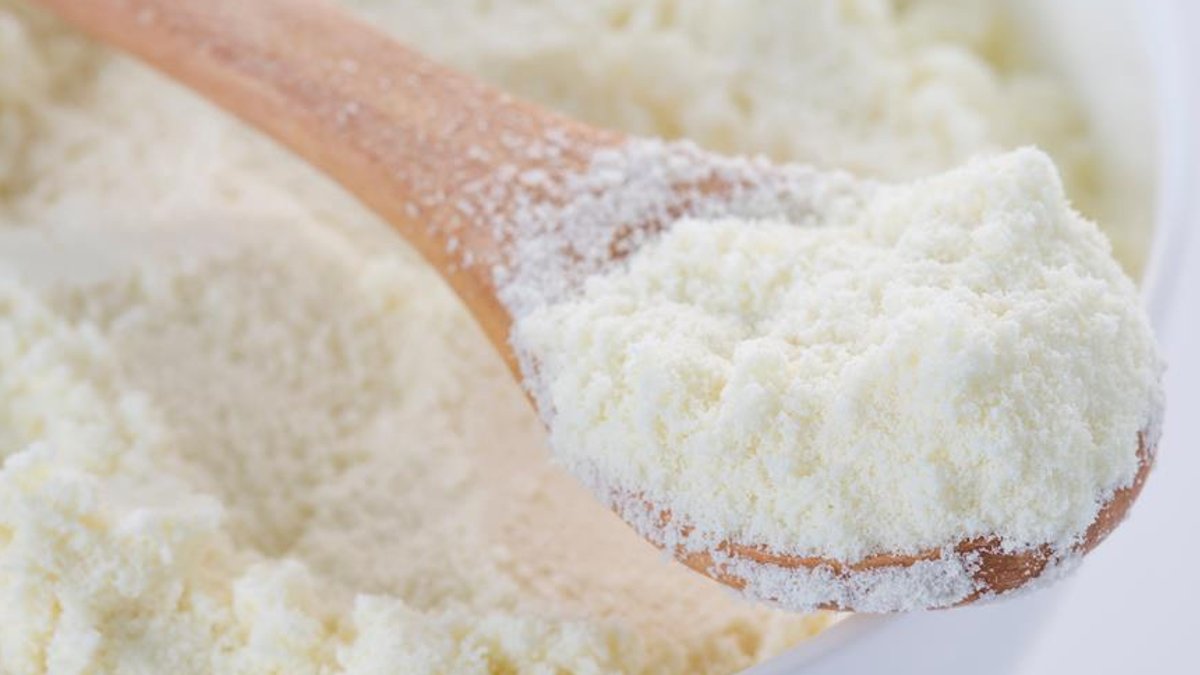
A 12-month study by Arla Foods Ingredients revealed that calcium-rich whey permeate helped postmenopausal women preserve bone density. Researchers noted the dairy ingredient lowered bone turnover indicators, matching results from standard calcium carbonate supplements, according to findings published in The American Journal of Clinical Nutrition.
The trial, conducted as part of the RENEW project and funded by Innovation Fund Denmark, enrolled 417 postmenopausal women, with an average age of 56. Of those, 316 completed the 12-month randomised, double-blind intervention.
Clinical Trial Findings
Participants received either a placebo or 800mg of calcium daily from calcium carbonate or calcium-rich whey permeate, with or without , and all participants received vitamin D. Among the 78 women receiving calcium-rich whey permeate, bone mineral density remained stable over the study period. By comparison, the 75 women in the placebo group experienced a decline.
Read Also: UK farmers push for stricter beef imports after EU ban
All three calcium interventions also significantly reduced markers of bone turnover compared with placebo, indicating slower bone breakdown. After 12 months, women receiving calcium-rich whey permeate had significantly higher bone mineral density at the femoral neck than those taking the placebo. The calcium carbonate and whey permeate-plus-inulin groups showed significantly higher spinal bone mineral density than the placebo group.
Potential for Functional Food Development
Simon Bøge Riis, Nutrition Scientist at Arla Foods Ingredients, said: “Globally, approximately one in five older adults has osteoporosis. It’s especially common among postmenopausal women and across Asia, and there is a need for effective nutritional strategies to support bone health. This research demonstrates that twice-daily supplementation with calcium-rich whey permeate can deliver remarkable improvements in bone turnover markers and maintain bone mineral density in postmenopausal women.”
The company is now exploring how calcium-rich whey permeate could be incorporated into everyday foods, including a dried fruit bar containing 265mg of calcium per 10g serving, which it says is equivalent to the amount found in a glass of milk. The concept combines calcium-rich whey permeate with ingredients intended to reduce fruit waste, offering one potential application for dairy-derived calcium in convenient food formats. Simon Bøge Riis added: “The development of affordable calcium-rich milk-based ingredients from whey production could be particularly relevant for developing countries, where calcium deficiency is an overlooked challenge.”