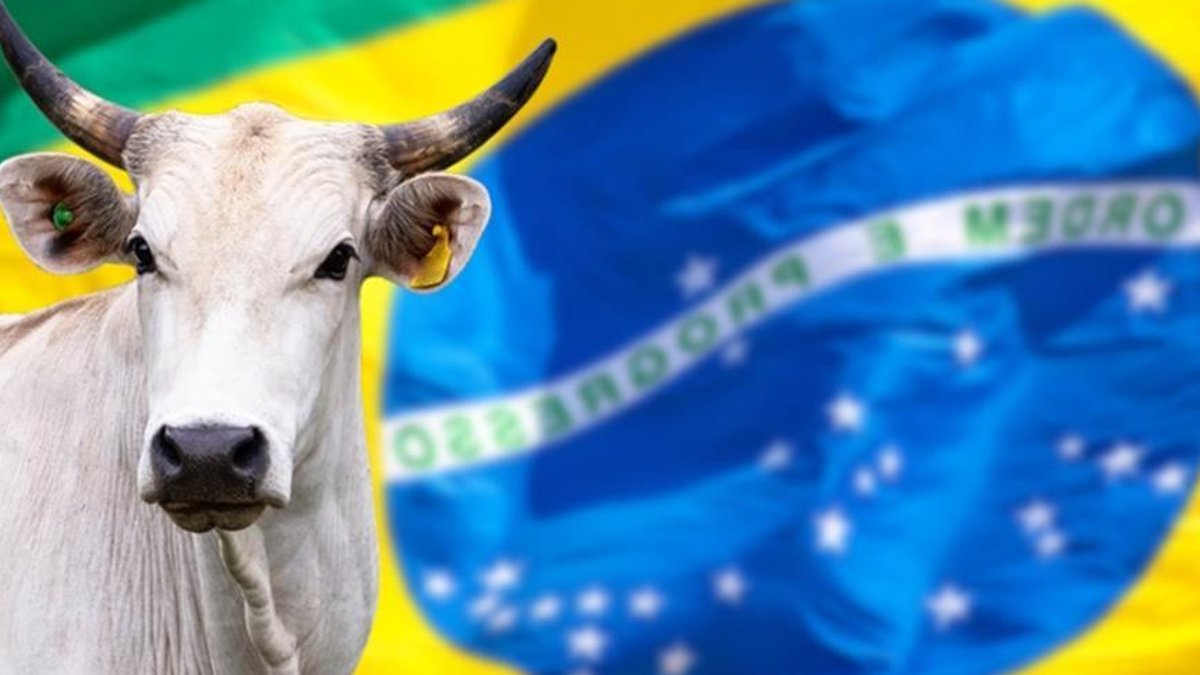
The European Union’s decision to block imports of Brazilian beef and poultry has forced a reassessment of whether food entering the UK should adhere to the same safety standards as those produced domestically. The restriction, effective immediately, targets products from third countries unable to prove compliance with new EU rules on antimicrobial use in livestock. Brazil’s exclusion follows years of scrutiny, including the 2017 “Weak Flesh” scandal, which exposed corruption and regulatory failures in meat inspections.
The EU’s move differs from a general ban on unsafe products. Instead, it focuses on verification gaps: Brazil cannot demonstrate that antimicrobials—essential in human medicine—have not been used in livestock for growth promotion. The EU’s rules, applied to domestic producers since 2022, now extend to imports. Brazil’s inability to meet these standards stems from systemic issues: its contract labs, once accredited for residue testing, were canceled years ago, and farm-level traceability remains inconsistent. A 2022 UK audit found that Brazil’s improvements were fragile, with inspection resources stretched thin.
Brazil’s agricultural sector, valued at $165 billion annually, relies heavily on access to high-value markets like the EU. While the country possesses strong scientific and regulatory capacity, the gap between its controls and EU demands has grown. Without accredited labs, full production records, or independent oversight, Brazil cannot assure buyers that its meat meets equivalent standards. The EU’s stance reflects a global trend: as antimicrobial resistance increases, regulators are tightening controls on imports that might compromise domestic efforts to limit antibiotic use in farming.
UK Farmers Demand Stricter Import Rules
The UK’s approach is now under examination. The four UK farming unions have demanded in-country audits, randomized testing, and a temporary ban until Brazil can prove compliance. Their reasoning is straightforward: if the UK adopts EU-level standards, why permit imports that fail those same tests?
The implications stretch beyond antibiotics. The EU’s decision raises broader questions about whether other imports, from poultry to dairy, could face similar scrutiny. The Food Standards Agency has already identified disparities in production standards between domestic and imported food, including animal welfare and environmental practices. If Brazil’s beef becomes a benchmark, the principle could apply universally: if a country cannot demonstrate controls equivalent to UK or EU standards, should its products be allowed entry at all?
Related Post: Audits Build Confidence in Food Manufacturing
Call for Uniform Food Safety Standards
Their objective is to prevent domestic producers from facing unfair competition due to looser foreign regulations. The debate hinges on whether the UK, as it tightens its alignment with EU food safety, will enforce consistent rules at its borders or prioritize market access over uniformity.
Brazil’s agriculture ministry has indicated it will appeal the EU’s decision, but without stronger verification systems, the ban is expected to remain in place. The choice is clear: either accept that imports can bypass domestic standards or enforce the same rules for all food entering the UK. The Brazilian beef dispute marks the first test of this principle.
Trade Disruption and Inspection Overhaul
Trade diversion poses a significant risk. Brazil exported over 92,000 tonnes of beef and 211,000 tonnes of poultry to the EU last year alone. Under the new rules, some imports currently exempt from routine checks may face stricter scrutiny, including randomized testing and in-country audits, measures the farming unions have long sought.
The UK government’s alignment with EU third-country rules adds another dimension to the debate. Officials have confirmed that inspections for some imports from outside the EU will now mirror EU standards, meaning goods previously entering the UK with minimal checks may soon face the same verification requirements as those bound for the EU. This shift could force Brazil, and other major food exporters, to either strengthen their systems or risk losing access to high-value markets. For Brazil, the stakes are particularly high: its agribusiness sector generates $165 billion annually, with exports accounting for nearly half of its total trade revenue. Without accredited labs, full production records, or independent oversight, the country’s ability to meet tightening global demands remains uncertain.