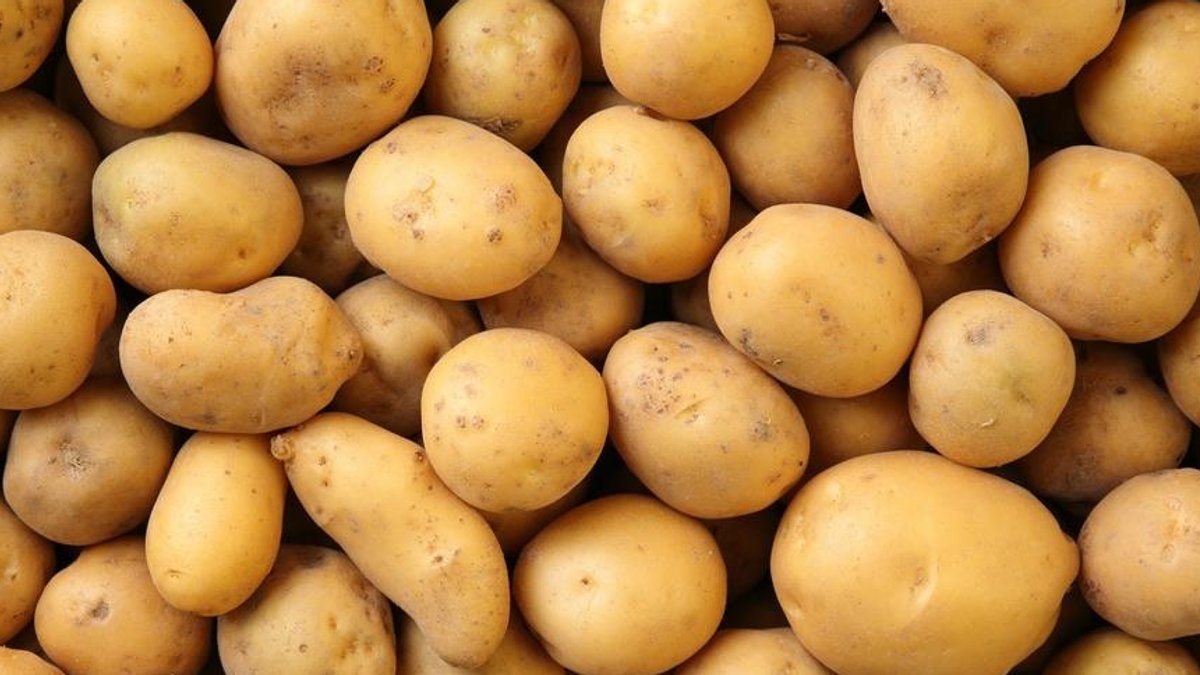
Potato protein shows promise as a gluten-free alternative for plant-based meat products, though taste challenges could slow its adoption by food manufacturers. New research indicates that combining potato and fava bean proteins creates a stronger structural network than wheat gluten during high-moisture extrusion, potentially offering a solution for consumers with celiac disease.
Structural Benefits of Potato Protein
Scientists from Heriot-Watt University and the University of Greenwich tested three formulations: fava bean protein alone, a blend of 75 percent fava bean and 25 percent potato protein, and a mixture with 25 percent wheat gluten. Processing each through high-moisture extrusion revealed distinct differences in texture development.
The potato protein blend formed a reinforced protein network with a stronger viscoelastic response compared to the wheat-based version. This formulation also demonstrated greater oil-holding capacity, though it required more mechanical energy during production. Dr. Parag Acharya of the Bezos Centre for Sustainable Protein noted that while the gluten version was softer and springier, the potato protein still provided sufficient structure for meat alternatives.
Fava beans are increasingly studied as a plant protein source due to their ability to grow in cooler climates and high protein content. However, they remain underutilized in plant-based products that typically rely on soy, pea protein, and wheat gluten. The study’s findings suggest potato protein could expand options for manufacturers seeking gluten-free formulations without sacrificing functionality.
Taste Challenges Remain
Despite structural advantages, taste presents a significant barrier. Electronic taste-sensing analysis revealed the potato protein formulation produced higher levels of bitterness and astringency than the gluten-containing alternative, with a more persistent lingering aftertaste.
Professor Stephen Euston from Heriot-Watt University acknowledged the promise of the potato protein approach, stating, “Unfortunately, while the potato protein version had a great structure, its taste is more bitter and astringent, and it left a stronger lingering aftertaste. Food companies would need to find ways of reducing the bitterness before this could be widely used in consumer products.”
The research highlights a common challenge in alternative protein development: balancing ingredient functionality with sensory performance. Importantly, the study used electronic measurements rather than consumer testing, leaving questions about real-world product acceptance unanswered.
The next critical step involves determining whether bitterness can be reduced without compromising the structural benefits of potato protein, and whether these properties hold up under commercial processing conditions. The research received funding from the Bezos Earth Fund and the UK’s Department for Environment, Food & Rural Affairs.