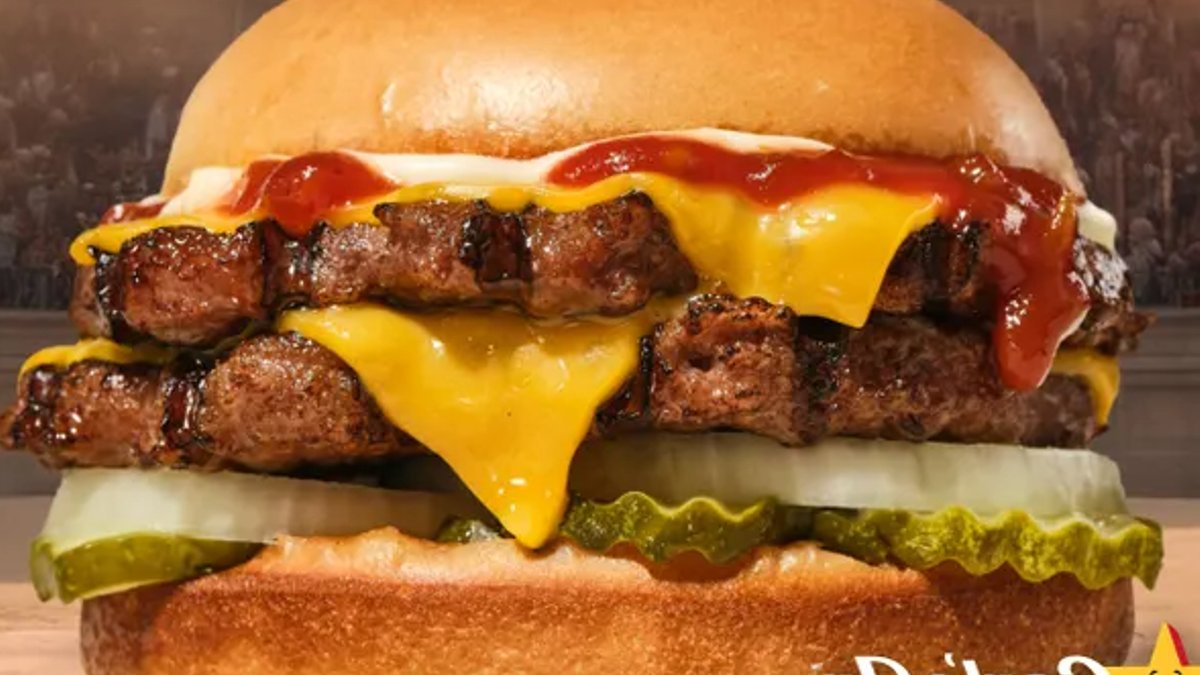
Carl’s Jr. is moving to a cooked-to-order standard to improve food quality and boost sales. The chain joins Burger King, McDonald’s, and Wendy’s in a broader effort to enhance menu offerings and drive customer traffic. On Tuesday, Carl’s Jr. announced its “Burger Revolution” initiative, aiming to serve “hotter, fresher and more consistently craveable burgers” across its system.
New Menu Item and Quality Shifts
As part of the launch, the company introduced the Angus Maximus. This limited-time burger features a patty weighing 5.7 ounces, melted American cheese, sliced onions, dill pickles, and a special sauce on a toasted brioche bun. The move signals a departure from traditional holding systems that often compromise the temperature and texture of the food.
Carl’s Jr. will now cook orders after a customer places them, ensuring the food comes directly from the char broiler. This change addresses a common frustration in the fast-food industry where burgers are often pre-cooked and held for extended periods. The company stated that this new process represents a commitment to raising the standard across the entire experience.
Competitor Moves and Industry Context
Improving food quality has become a central strategy for major burger chains. Burger King is focusing on the quality of its Whopper to drive sales increases this year. McDonald’s is also working on quality improvements as part of its NEXT strategy, while Wendy’s recently released improved chicken sandwiches. This competitive market forces all players to reassess their operational standards to maintain market share.
The chain’s recent marketing has heavily emphasized quality. In April, it offered MyRewards members a free Western Bacon Chicken Sandwich if they could prove they bought a “criminally bland chicken sandwich” from a competitor. In June, it gave guests a free Sourdough Star if they could prove they passed by a Jack in the Box for a Carl’s Jr. This aggressive promotion strategy suggests the brand is aware that perception lags behind reality, particularly as franchisees face financial pressure.
Franchisees at Carl’s Jr. and sister brand Hardee’s have struggled with profitability recently, leading to bankruptcy filings. A large Carl’s franchisee, Friendly Franchisees Corporation, which operated 65 units in California, filed for Chapter 11 bankruptcy in April. The filing cited the impact of the state’s $20 minimum wage as a primary reason for the financial distress.
The franchise model faces headwinds that make operational efficiency critical. When a franchisee declares bankruptcy, it can erode consumer confidence and complicate expansion plans. This financial strain creates a difficult environment for the brand to roll out new initiatives without alienating its existing network of operators. The pressure on unit economics is evident in the data, showing a decline in franchised stores from 1,020 in 2024 to 942 by the end of fiscal 2026. Company-owned stores have remained stable at about 50 units during this period.
Improving food quality could help address these issues by driving frequency and sales. The franchised average unit volume was $1.39 million during fiscal year 2026, according to the franchise disclosure document. By delivering a superior product, the chain hopes to reverse the trend of declining unit counts and stabilize its franchise network.