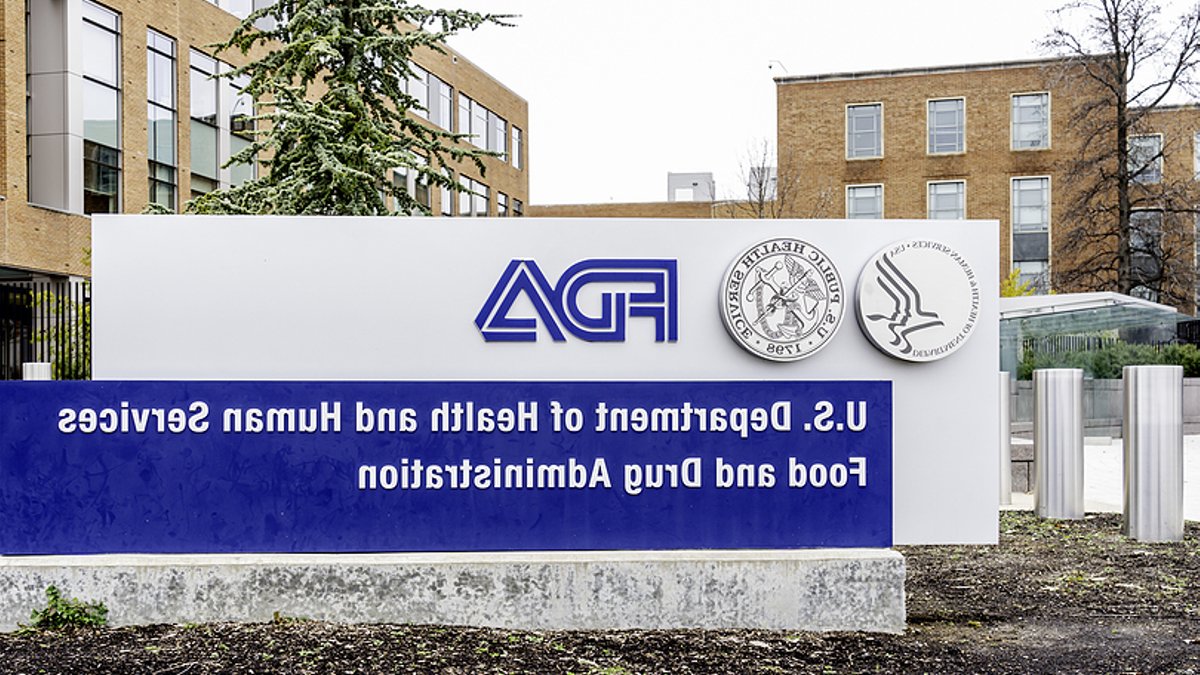
The Food and Drug Administration will publish a proposed rule in December 2026 requiring food companies to notify the agency before using ingredients classified as Generally Recognized as Safe. This notification is currently voluntary.
Self-affirmation pathway would end
The rule would presume any unreported ingredient use is not GRAS, treating it as an unapproved food additive. This change would eliminate the self-affirmation process most mid-market manufacturers use, where companies assess ingredient safety internally without agency review.
December 2026 begins the comment period, not a compliance deadline. The FDA’s timeline suggests a final rule may arrive as late as 2029, after public feedback and potential legal challenges. Industry consultants say the real deadline is preparing ingredient files before the agency opens its submission window.
A rule years in the making
The proposal follows a March 2025 directive from Health and Human Services Secretary Robert F. Kennedy Jr., who ordered the FDA to explore ending the self-affirmed GRAS pathway. The rule was delayed once, from an initial October 2025 target. The latest update, published in the Unified Agenda on July 3, 2026, lists it under RIN 0910-AJ02 and labels it “economically significant,” meaning it will likely affect the economy by at least $100 million annually.
The change would amend 21 CFR Parts 170 and 570 to require GRAS notices for food and animal-food substances. Substances already listed or affirmed by regulation, or those with an existing FDA “no questions” letter, would remain exempt. Earlier drafts included indirect additives like food-contact materials, but the current version focuses on “certain uses of food substances.” The exact scope will not be clear until the proposed text is released.
The agency plans a “limited submission window” for substances already on the market before the rule takes effect. This suggests companies with existing self-affirmed GRAS conclusions could transition them under lighter requirements. Details about the window’s duration or demands remain unknown.
Related: Unwanted spanking costs Las Vegas restaurant group $2M
Most mid-market manufacturers do not have a centralized list of which ingredients were self-affirmed versus those with FDA notification. Regulatory consultants recommend starting the inventory now, before the rule’s details become public and competition for outside counsel increases. The audit requires matching ingredient specifications and safety literature against the FDA’s notice checklist, a process that can take weeks per ingredient.
Documentation must meet current standards, not those in place when the original GRAS determination was made. A valid notice needs identity and manufacturing specifications, exposure estimates under intended use, and up-to-date safety literature. Files untouched since their original determination often have gaps.
Companies must decide whether to notify voluntarily now or wait for the streamlined window. Early notification provides certainty but requires public disclosure of ingredient identity, manufacturing details, and exposure data. Waiting risks a compressed timeline and higher costs once the rule is finalized.
For manufacturers, the work is about control. Starting the audit early lets them define what a defensible ingredient file looks like on their own terms, rather than reacting to the FDA’s timeline. The opportunity for a smoother transition will not last, and the cost of delay could mean lost flexibility.
The FDA’s proposal shows a shift in how the agency views self-regulation. Courts may later decide whether the agency has authority to mandate GRAS notices, but the food industry is preparing as if the rule will take effect. The issue is not whether to act, but when.
Recent food safety recalls highlight the challenges of tracing ingredients without standardized reporting. The proposed rule aims to address similar gaps by requiring pre-market notification for GRAS substances.