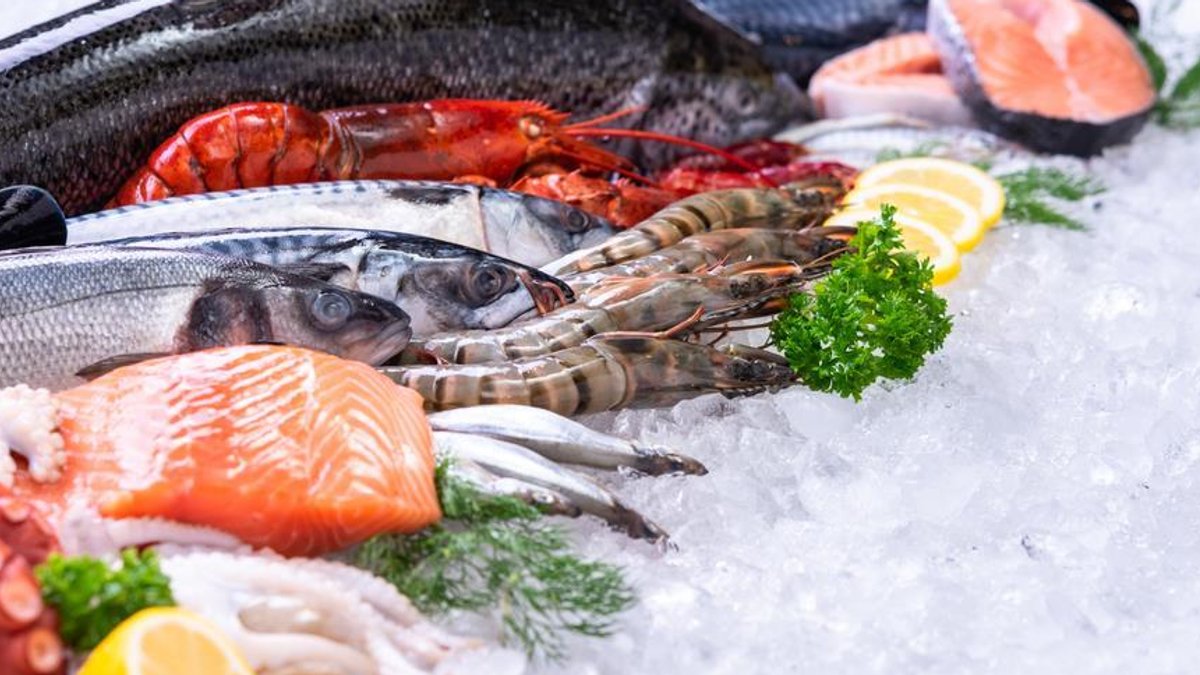
Global appetite for protein is shifting toward lower-carbon, health-focused options, and seafood has become a top choice. Yet the rapid expansion of the market has opened the door to widespread deception, a problem experts now label as seafood fraud. The practice threatens both consumer confidence and public health.
The scale of the problem
In 2022, fisheries and aquaculture generated over 185 million tonnes of product, valued at roughly $195 billion. Nearly nine-tenths of that output was destined for human consumption, moving through trade routes that span more than 230 countries and territories.
The journey from ocean to plate often involves several hand-offs. A catch may be harvested in one nation, landed elsewhere, processed in a third, packaged in a fourth, and finally sold on a distant continent. Each transition creates a new point where documentation can be altered or omitted.
Research published by the United Nations’ food agency indicates that about one in five products are mislabeled, making the sector one of the most vulnerable to deception. Investigations have uncovered irregularities in 55 nations, with misrepresentation documented at virtually every stage of the supply chain.
Financial motives drive the practice. Even a modest price gap between species can translate into huge gains when multiplied across the massive volume of international trade. Consumers regularly pay premiums for items that are verified as authentic, providing a clear incentive for dishonest operators.
Deception in seafood fraud
While swapping an expensive fish for a cheaper counterpart remains common, seafood fraud is not just about replacing an expensive fish with a cheaper alternative; it represents a complex web of economic, environmental, ethical and public health deception that can occur at every stage of the global seafood supply chain.
Health implications are significant. Substituted species can introduce allergens, toxins, or parasites that consumers are not prepared to handle. In many cases, fish intended for cooking are sold raw, raising the risk of food-borne illness. A recent review found that 58 percent of documented swaps involved species with potential health hazards.
Related Post: California introduces voluntary non-ultraprocessed food label
Given the scale of the issue, a coordinated response appears essential. Strengthening digital traceability and supporting real-time data sharing among regulators, producers, and researchers could narrow the windows where deception thrives. If these measures gain traction, they may curb the most profitable forms of misconduct.
Science and policy response
Last summer, a joint initiative led by the FAO and the IAEA launched in Vienna to map detection technologies and prioritize those that are fast, affordable, and portable. The program aims to field validated tools across selected supply chains within the next two years.
Instead, they advocate for intelligence-led surveillance that targets high-risk nodes, combined with stronger vulnerability assessments and collaborative information platforms.
One study from China reported that over 75 percent of tested samples belonged to a species different from the label, showing how pervasive the issue remains despite growing awareness.
Linking fraud to sustainability
Illegal catches that enter legitimate markets hide behind falsified paperwork, masking unregulated extraction from vulnerable ecosystems. When fraudulent records claim a fish is sourced from a certified fishery, management bodies cannot accurately assess stock health. This distortion undermines quotas and hampers recovery plans for depleted populations.
The seafood industry’s enormous scale and complex supply chains have created a perfect environment for massive-scale food fraud, and it is key that the industry and consumers are aware of the issue and work together to address it, ultimately protecting consumer confidence and public health.